 13 July 2026
 Share
Share
1

Taking a day off to rest and recharge is essential for maintaining balance in our busy lives. A restful day at home can leave you feeling refreshed and ready to take on new challenges. However, without proper planning, even a day off can turn into a stressful or unproductive experience.
This guide will walk you through how to plan a restful day off at home, with easy steps to help you unwind, relax, and enjoy your personal time to the fullest.
Often, we think of days off as spontaneous breaks, but planning can help maximize relaxation. When you have a loose structure or some key activities in mind, you’re less likely to feel bored or overwhelmed by choices. Planning also helps you avoid the temptation to overwork or neglect your own needs.
Before your day off, take a moment to decide what “restful” means to you. Is it physical rest, mental relaxation, creative time, or simply disconnecting from technology?
Write down your intentions. For example:
– “I want to reduce screen time.”
– “I want to enjoy a good book.”
– “I want to practice mindfulness.”
Having a clear goal helps shape your day and keeps distractions at bay.
Your environment heavily influences how relaxed you feel. Spend a little time tidying up or creating a cozy nook where you can unwind.
– Declutter areas you plan to spend time in.
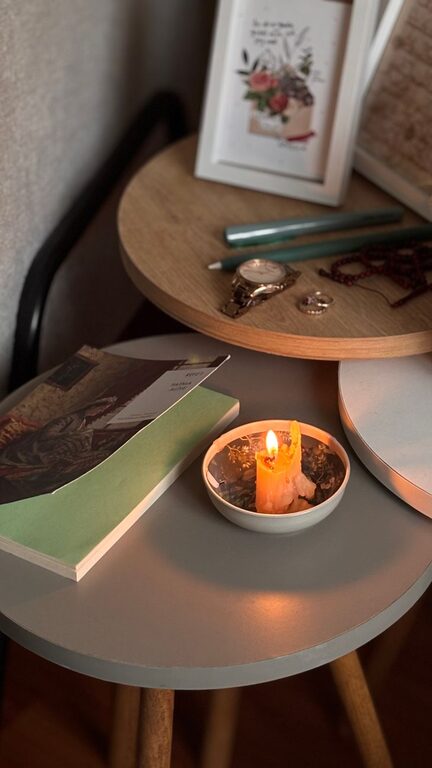
– Add soft lighting such as lamps or candles.
– Have comfortable seating or cushions available.
– Set the temperature to a comfortable level.
– Use calming scents like lavender or eucalyptus with essential oils or candles.
A peaceful space encourages your mind to slow down and promotes a restful mood.
Food can either energize or weigh you down. Planning simple, healthy meals keeps you feeling good throughout your day off.
– Breakfast: Oatmeal with fresh fruit and nuts.
– Lunch: A colorful salad with lean protein.
– Dinner: Light vegetable stir-fry or soup.
– Snacks: Herbal tea, nuts, or yogurt.
If you enjoy cooking, preparing a favorite meal can be a relaxing and rewarding activity. Otherwise, keep it simple or have ingredients ready in advance.
Phones, computers, and TV can be sources of stress or distraction. Decide how much time you want to spend with screens.
– Turn off notifications.
– Set specific times to check messages or emails.
– Consider a “digital detox” for several hours.
– Use technology intentionally for relaxation, such as listening to music or guided meditation.
Reducing screen time helps calm your mind and improve your overall sense of well-being.
Rest doesn’t always mean doing nothing. Choose activities that soothe your mind and body.
– Reading a book or magazine.
– Taking a warm bath.
– Practicing meditation or deep breathing exercises.
– Gentle yoga or stretching.
– Listening to calming music or nature sounds.
– Journaling to reflect on your thoughts.
Mix quiet activities with gentle movement to keep your energy balanced.
If you feel tired, don’t hesitate to take a short nap or simply rest while lying down.
A 20-30 minute nap can boost alertness and mood without interfering with nighttime sleep. Even lying down with eyes closed and focusing on your breath can be restorative.
Try to keep your day free from appointments, chores, or obligations that might cause stress. If possible, communicate to others that you’re taking time for yourself.
This helps create mental space to fully unwind.
Being present in the moment enhances relaxation. Whether eating, walking, or resting, try to observe your sensations and breathe deeply.
Simple mindfulness practices include:
– Paying attention to your senses.
– Noticing thoughts without judgment.
– Returning your focus to your breath whenever your mind wanders.
Mindfulness helps break cycles of worry or tension.
As your day off comes to a close, avoid jumping back into work or stressful activities immediately.
Consider:
– Spending a few minutes reflecting on your restful day.
– Planning one small positive habit to carry forward.
– Preparing for bedtime with a calming routine, such as dimming lights or a warm drink.
This helps transition smoothly back into your regular routine.
—
Planning a restful day off at home is a wonderful way to nurture yourself. By setting intentions, creating a calming environment, limiting technology, and choosing soothing activities, you can make your day off truly restorative.
Remember, rest is not a luxury but a vital part of a healthy lifestyle. Treat yourself kindly and enjoy your well-deserved break. Your mind and body will thank you.
—
We hope these steps inspire you to create your perfect restful day at home. Feel free to share your favorite relaxing activities or tips in the comments below!