
 13 July 2026
 Share
Share
1
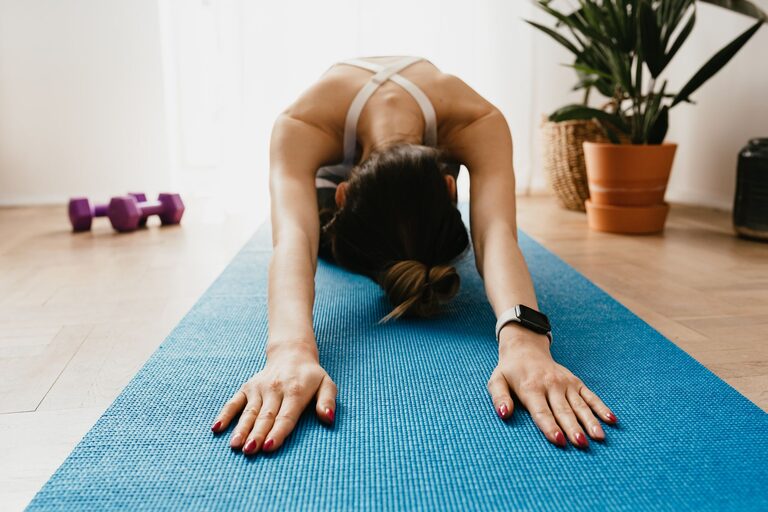
Stretching is a simple and effective way to improve your flexibility, reduce muscle tension, and enhance your overall sense of well-being. Whether you’re looking to complement your workout routine or just want to start moving more comfortably throughout your day, stretching at home can be a great place to begin. This beginner’s guide will walk you through the basics of stretching, offer easy stretches you can do without any special equipment, and provide tips for making stretching a regular part of your routine.
Stretching helps maintain flexibility and range of motion in your joints and muscles. Over time, as we remain inactive or sit for prolonged periods, muscles can become tight and stiff, leading to discomfort or even injury. Regular stretching can:
– Improve circulation and blood flow to your muscles
– Reduce muscle soreness after exercise
– Help prevent injuries by keeping muscles flexible
– Improve posture and relieve tension caused by sitting or standing improperly
– Promote relaxation and reduce stress
Before jumping into stretches, there are a few important things to keep in mind:
Stretching cold muscles can increase your risk of injury. Before stretching, warm up your body with 5–10 minutes of light activity such as walking in place, marching, or gentle jogging.
Stretching should never be painful. You want to feel a gentle pull or mild tension in the muscle, but no sharp pain. Move slowly into each stretch and hold for 15–30 seconds. Breathe deeply and relax into the stretch.
Bouncing while stretching (called ballistic stretching) can cause damage to muscles and tendons. Always use smooth, steady movements.
Make sure you stretch both your left and right sides evenly to maintain balance and flexibility.
Stretching is most effective when done regularly. Try to stretch at least 3–4 times a week for the best results.
Here are some simple and effective stretches suitable for beginners. No special equipment is needed — just a comfortable space to move.
– Sit or stand tall with your shoulders relaxed.
– Slowly tilt your head to the right, bringing your ear towards your shoulder.
– Hold for 20 seconds, feeling the stretch in the left side of your neck.
– Repeat on the left side.
– Bring your right arm across your chest.
– Use your left hand to gently pull your right arm closer to your chest.
– Hold for 20–30 seconds, feeling the stretch across your shoulder.
– Repeat on the other side.
– Stand with your feet shoulder-width apart.
– Clasp your hands behind your back and straighten your arms.
– Lift your chest and gently pull your shoulder blades together.
– Hold for 20–30 seconds.
– Start on your hands and knees in a tabletop position.
– Inhale as you drop your belly, lift your chest and tailbone for “cow” pose.
– Exhale as you round your back, tuck your chin and tailbone for “cat” pose.
– Repeat for 5–10 breaths.
– Sit on the floor with your legs straight in front of you.
– Inhale and lengthen your spine.
– Exhale, slowly bend forward from your hips, reaching towards your toes.
– Hold for 20–30 seconds, feeling the stretch in your hamstrings.
– Don’t worry if you can’t reach your toes; go only as far as comfortable.
– Stand with feet hip-width apart.
– Bend your right knee and grab your ankle or foot behind you with your right hand.
– Keep your knees close together and push your hips slightly forward.
– Hold for 20–30 seconds.
– Repeat on the other side.
– Stand facing a wall with hands resting on it.
– Step one foot back, keeping it straight and heel firmly on the ground.
– Bend the front knee and lean into the wall.
– Hold for 20–30 seconds.
– Switch sides.
– Create a dedicated stretching space: A quiet, comfortable spot with a yoga mat or soft carpet can improve your experience.
– Set a routine: Try stretching at the same time every day, such as after waking up or before bed.
– Use cues: Pair your stretches with deep breathing or calming music.
– Listen to your body: Never force a stretch that feels painful or uncomfortable.
– Combine stretching with other activities: Stretch after exercise or during breaks from sitting to stay limber throughout the day.
If you have an injury or a medical condition affecting your muscles or joints, check with a healthcare professional before starting any new stretching routine. Also, avoid stretching inflamed or injured muscles until they have healed.
Stretching at home is an accessible and beneficial practice that anyone can incorporate into their daily life. By warming up, stretching gently, and being consistent, you’ll notice improvements in your mobility, comfort, and overall wellness. Start with these beginner stretches and build a routine that keeps your body feeling healthy and flexible.
Remember, the key to success is patience and persistence. Happy stretching!
